Radical Candor
Kim Scott · 2017
Editorial rating
- Evidence
- 6/10
- Actionability
- 9/10
- Originality
- 7/10
The thesis
The best bosses care personally AND challenge directly - simultaneously. Most managers err toward "Ruinous Empathy" (caring but not challenging) or "Obnoxious Aggression" (challenging but not caring). Radical Candor is the sweet spot where honest feedback builds rather than destroys relationships.
Who this is for
New managers afraid to give hard feedback, experienced leaders whose teams avoid difficult conversations, and anyone who's been told they're "too nice" or "too harsh."
My favorite quote
It's not mean, it's clear.
Why it matters
Most people conflate directness with meanness. But unclear feedback (to avoid discomfort) is actually crueler - it denies people the information they need to improve.
Do this
Think of feedback you've been avoiding. Deliver it today - directly, kindly, privately.
Start here
Ask for criticism before giving it: The single most important thing you can do to build a culture of candor is to solicit criticism about yourself - publicly, repeatedly, and sincerely. When people see you can take it, they'll trust you to give it. Start with "What could I do or stop doing that would make it easier to work with me?"
Critical summary
Scott, a former Google and Apple executive, provides a framework for giving feedback that's both kind and clear. The book combines personal stories with tactical advice for managers.
What it gets right
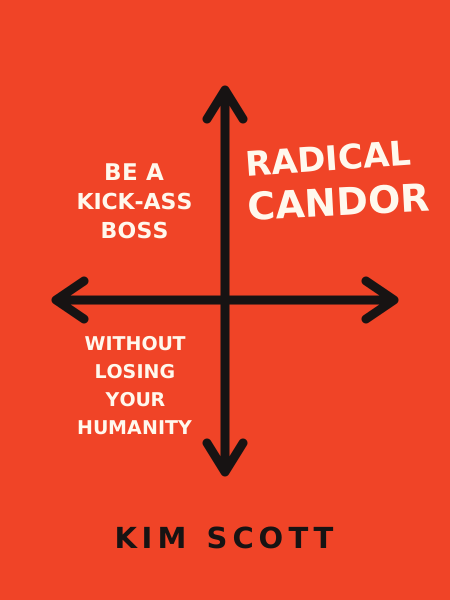
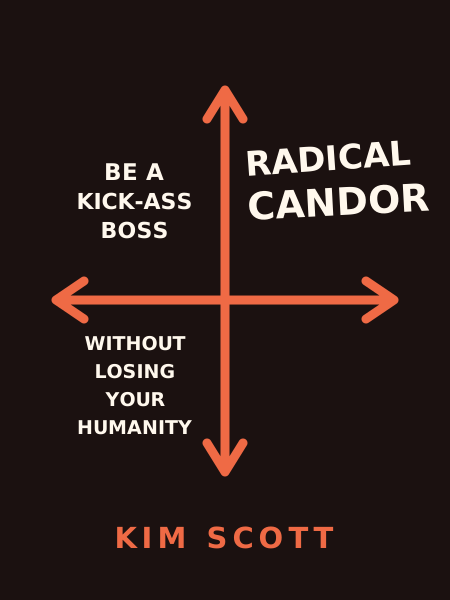
- 2x2 framework (Care Personally × Challenge Directly) is instantly memorable
- "Ruinous Empathy" names a common failure mode most managers recognize
- Practical scripts for difficult conversations
- Emphasis on soliciting criticism first - not just giving it
- Revised edition rebrands as "Compassionate Candor" to prevent misuse
What it misses
- Silicon Valley context doesn't translate everywhere (high-performers, abundant options)
- Can be weaponized by aggressive managers who skip the "Care Personally" dimension
- "Radical" branding invites misinterpretation as license for brutality
- Limited guidance for non-managers or peer relationships
- Heavy self-promotion (Candor, Inc. products)
Evidence is primarily Scott's personal experience at Google, Apple, and startups. Compelling stories but limited systematic research.
Key concepts
Radical Candor
Caring Personally + Challenging Directly. Specific, sincere praise and kind, clear criticism.
Ruinous Empathy
Caring but not challenging. You're "nice" but people don't grow because you won't tell them the truth.
Obnoxious Aggression
Challenging without caring. Brutal honesty that damages relationships and trust.
Manipulative Insincerity
Neither caring nor challenging. Backstabbing, political behavior, saying what people want to hear.
Rockstars vs. Superstars
Rockstars want stability and mastery; Superstars want growth and new challenges. Manage them differently.
Core insights
-
Criticism is a gift
Withholding feedback to spare feelings robs people of the chance to improve. That's not kindness - it's cowardice.
-
Solicit before you dish
Asking for criticism builds trust and models that feedback is welcomed, not punished.
-
Praise in public, criticize in private
But make both specific. "Great job" is as useless as vague criticism.
-
Don't personalize
"Your presentation was unclear" not "You're a bad presenter." Behavior, not character.
-
Immediacy matters
Give feedback in 2-3 minutes between meetings, not stored up for quarterly reviews.
-
It's measured at the listener's ear
If they didn't hear it as caring, you didn't deliver it with care - regardless of intent.
Implementation steps
Today
- Ask one direct report: "What's one thing I could do differently to be a better manager?"
- Listen without defending. Thank them. Do something visible with the feedback.
This week
- Give one piece of specific praise (what they did, why it mattered)
- Deliver one piece of criticism you've been avoiding - privately, kindly, clearly
This month
- Post the 2x2 framework where your team can see it
- Ask your team to place sticky notes rating your recent feedback attempts
Ongoing
- Default to immediate feedback (2-3 minute conversations, not scheduled meetings)
- After every difficult conversation, ask: "Did that land as caring or aggressive?"
Suggested 30-day practice plan
An editorial application plan created by Monolithic Vault - an interpretation of the book's ideas, not part of the original book.
- Day 1
Ask a direct report for criticism about your management
- Day 2
Thank them and take visible action on one piece of feedback
- Day 3
Give one specific piece of praise (context, behavior, impact)
- Day 7
Deliver criticism you've been avoiding - kind, clear, private
- Day 14
Introduce the framework to your team
- Day 21
Solicit feedback on how you're doing with candor
- Day 30
Reflect: Where are you still veering into Ruinous Empathy?
Free PDF summary
Take this analysis with you: a designed two-page field-notes sheet with the thesis, my favorite quote, the key concepts and core insights, and the full 30-day checklist. Print it or keep it - free, no signup.
Go deeper
If this analysis earned your attention, the full book goes further than any summary can. The original is always the primary source.