14 reading lists
Curated paths through the vault
Every list is hand-picked from our rated summaries, with an honest sentence on why each book earned its spot - and why the rest didn't. Start with the topic that is costing you the most right now.
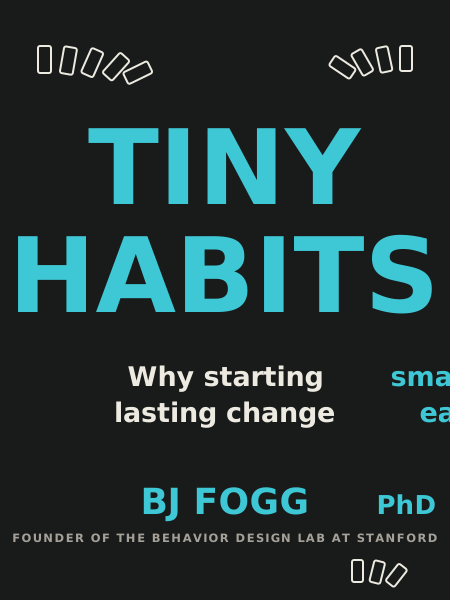
- 5 books Building habits Habit books outsell almost everything else in nonfiction, and most of them repackage the same three studies. These five actually earn their place: each takes a different angle on how behavior change works, and together they cover the science, the systems, and the psychology of making a habit stick. View the list →
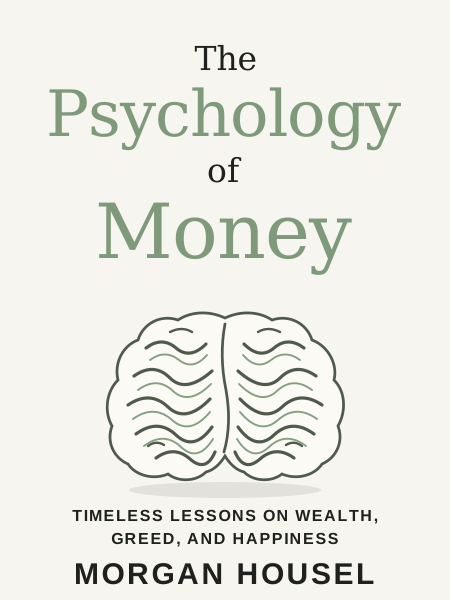
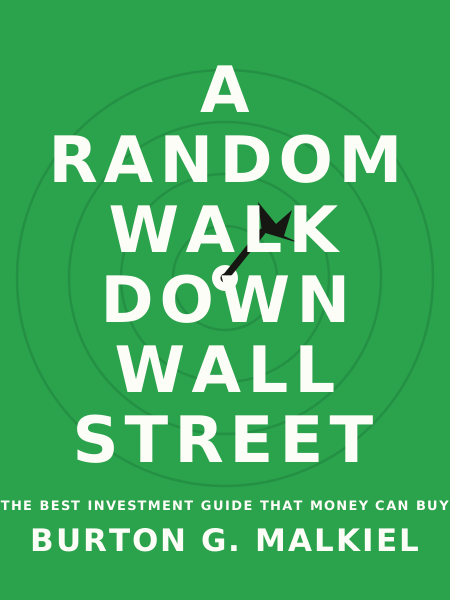
- 6 books Money, by evidence Finance books make confident claims about an uncertain world, so we ranked these by our evidence score rather than popularity. The books below survive scrutiny: index-fund arithmetic, behavioral pitfalls, and the boring habits that actually build wealth. View the list →
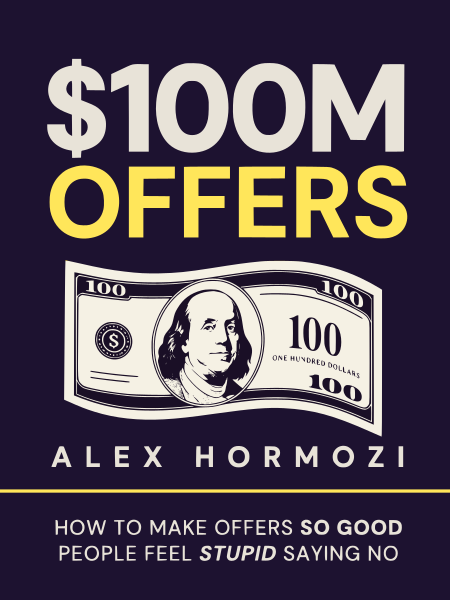
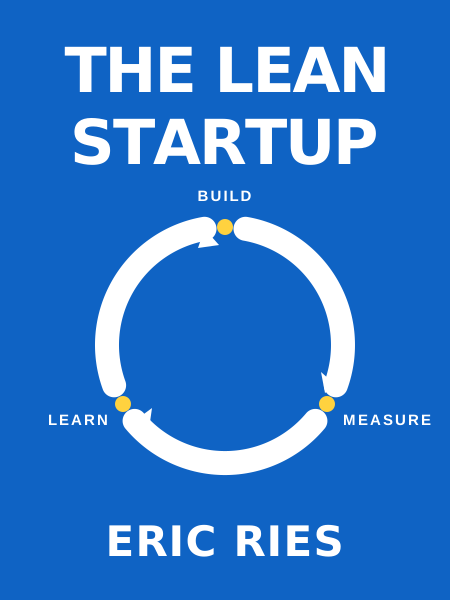
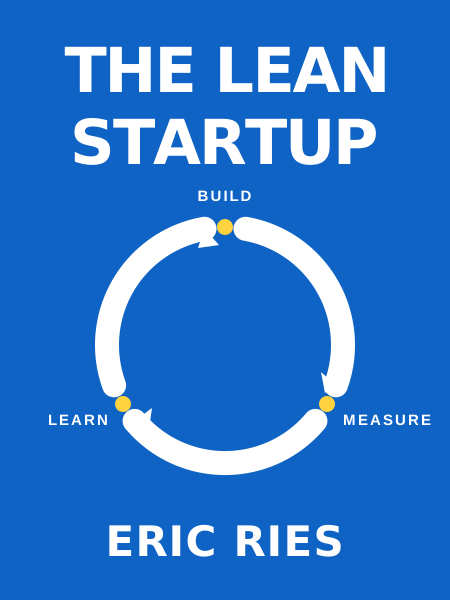
- 5 books Founder starter stack Read these before you write a line of code or spend a dollar on ads. In order: make an offer people cannot ignore, validate it without lying to yourself, understand what makes a startup defensible, and keep the whole thing simple enough to survive. View the list →
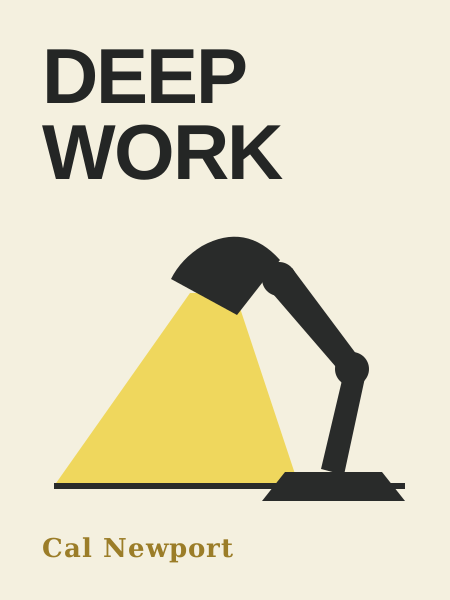
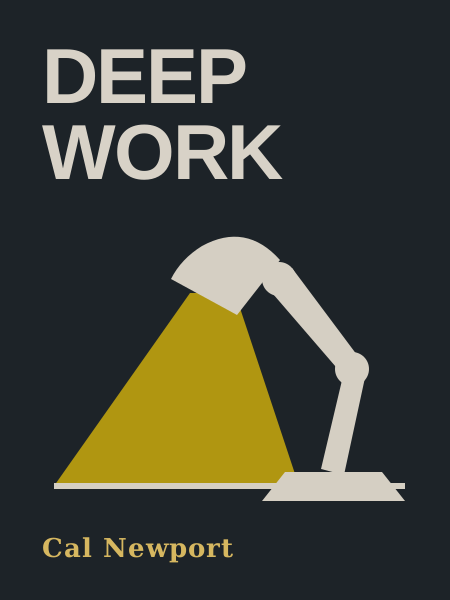
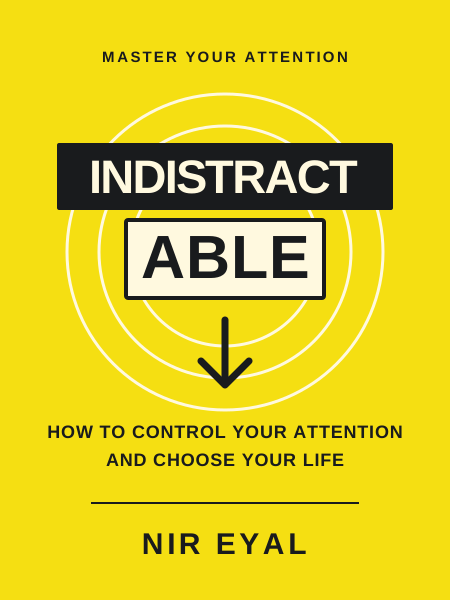
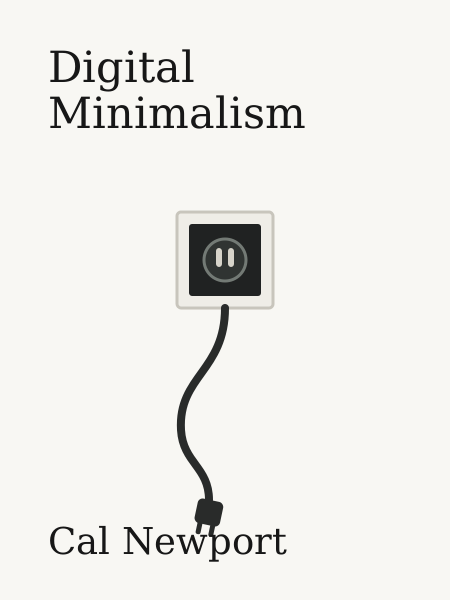
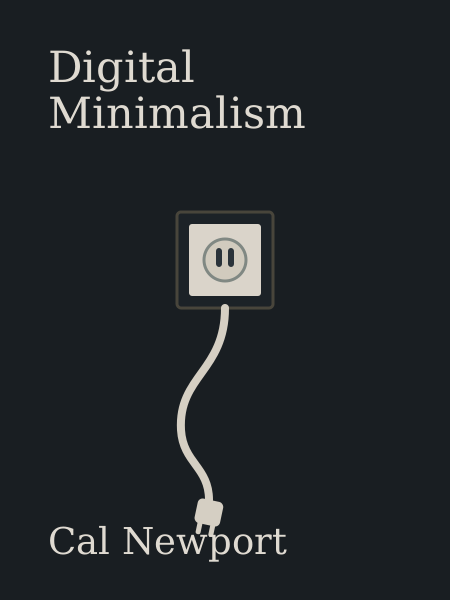
- 5 books Deep focus Attention is the bottleneck on everything else you read about. These five books form one coherent argument: focused work is rare and valuable, distraction is an engineered product, and getting your attention back is a systems problem, not a willpower problem. View the list →
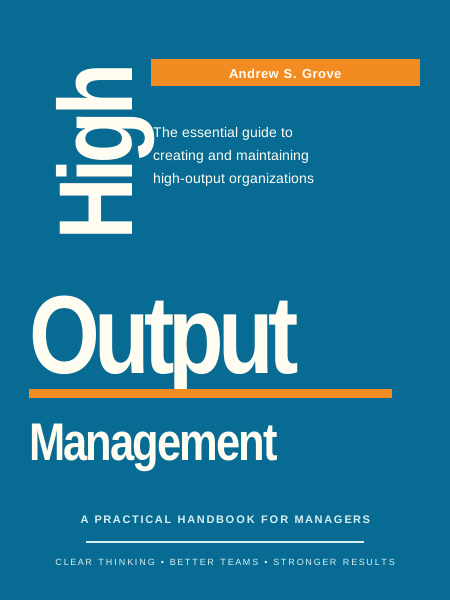
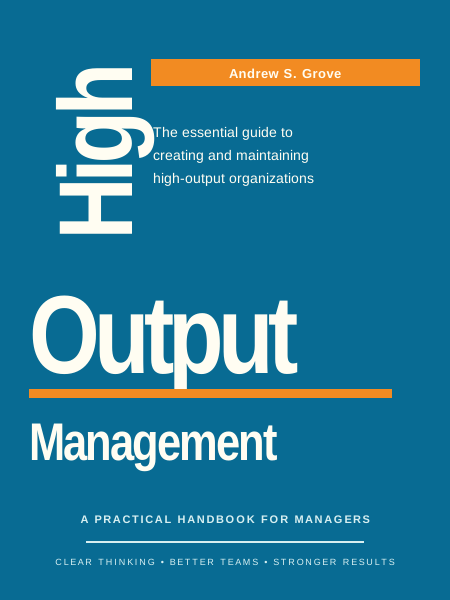
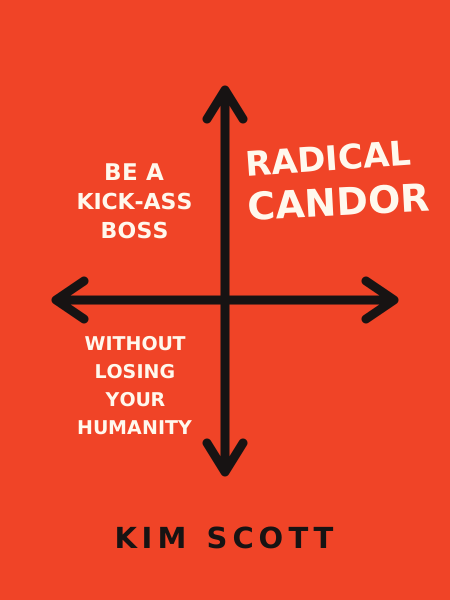
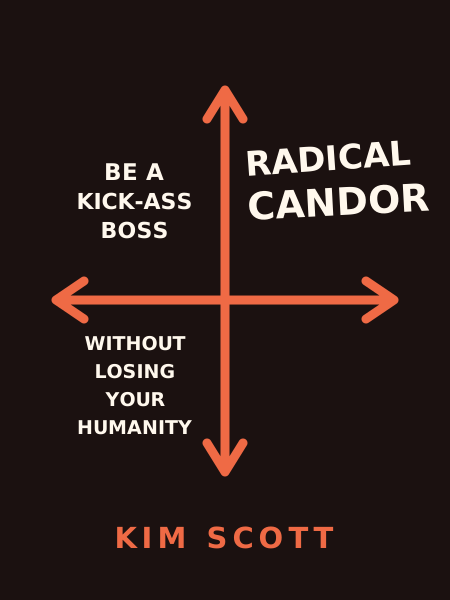
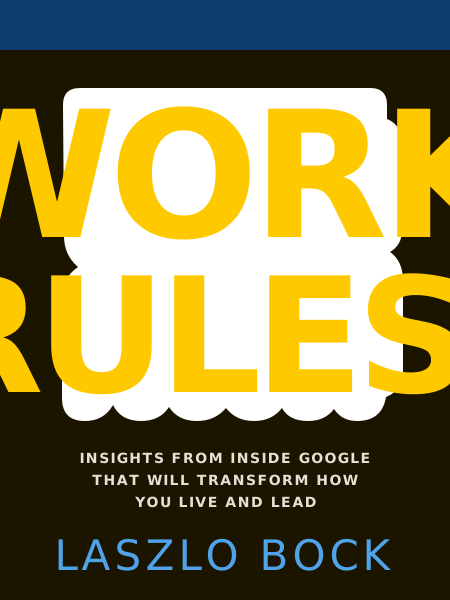
- 6 books Actionable leadership Leadership books drown in platitudes, so this list is ranked by our actionability score: every book here gives you something to run with a real team this week - a meeting format, a feedback script, a decision framework. View the list →
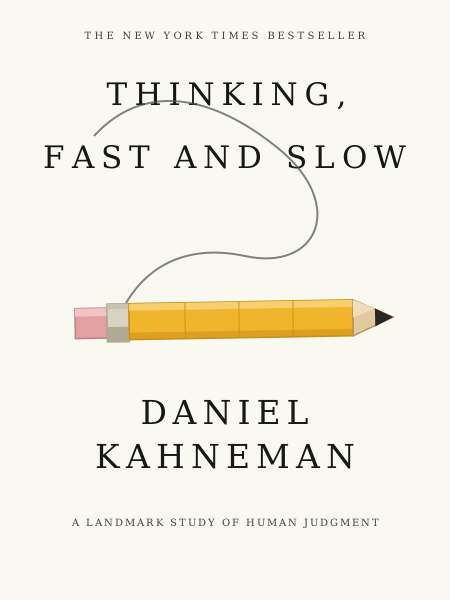
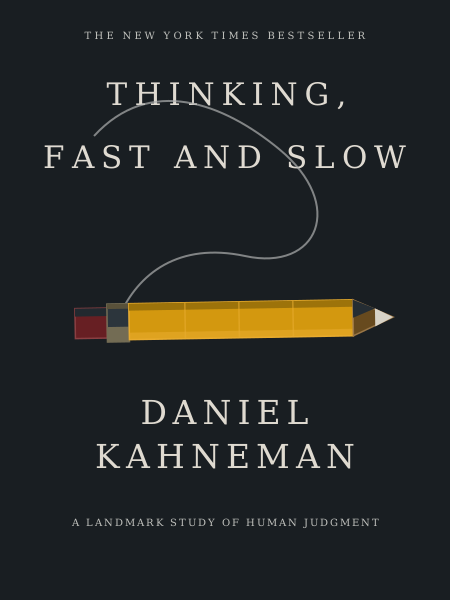
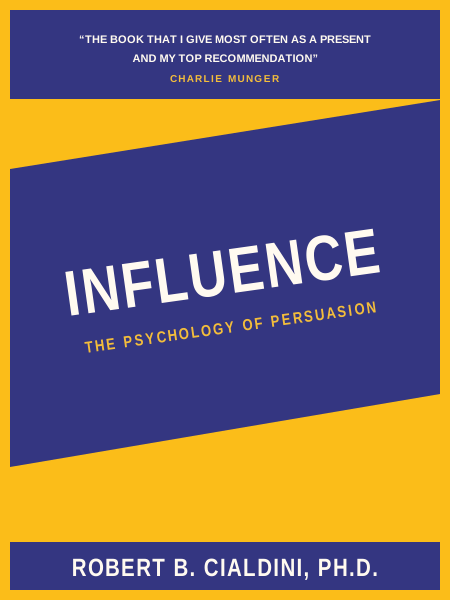
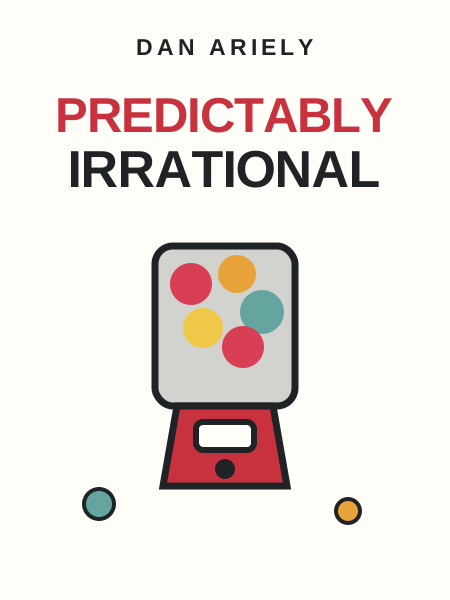
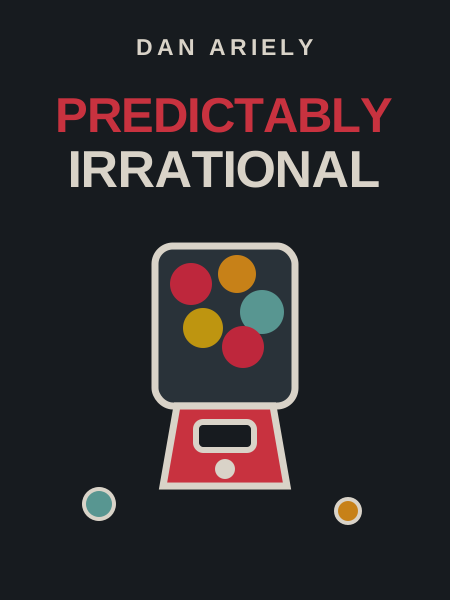
- 6 books How humans think The user manual nobody gave you. These books map the systematic ways human judgment goes wrong - and occasionally right - from cognitive biases to persuasion to the deep history of why our minds work this way at all. View the list →
- 6 books Stoic wisdom Two thousand years of stress-testing separates these ideas from this quarter's productivity fad. Start with the primary source, add a modern guide, then see the philosophy proven in the hardest conditions imaginable. View the list →
- 6 books Difficult conversations Most communication advice is either obvious or manipulative. These six earn their place by being neither: field-tested negotiation tactics, research on why conversations go wrong, and scripts you can actually use when the stakes are real. View the list →
- 6 books Body and energy Productivity advice fails when the body underneath it is running on empty. These books cover the physical layer: sleep, breath, long-term health, and the rest-work rhythm that high performers actually keep. View the list →
- 6 books Company culture Culture books contradict each other more than any other management genre - radical freedom at Netflix, structured feedback at Google, wartime rules elsewhere. Read these together and the contradiction becomes the lesson: culture is a set of trade-offs, not a template. View the list →
- 5 books Founder stories Biographies are the most entertaining and least reliable business books: survivorship bias with a narrative arc. These five are worth it anyway - ranked not by the fame of the founder but by how much transferable judgment survives the storytelling. View the list →
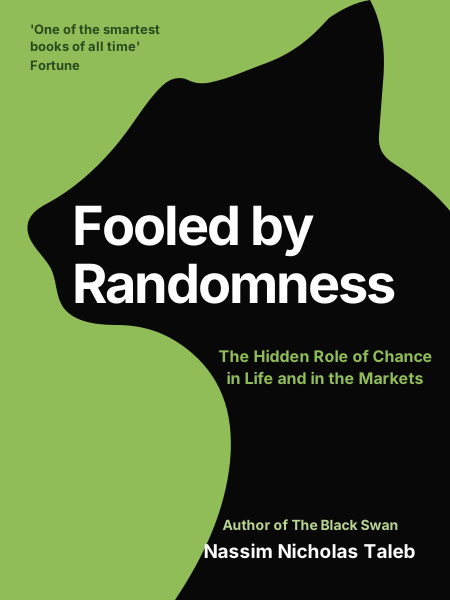
- 6 books Uncertainty Most decision books teach you to be confident. These teach you to be calibrated - what you can forecast, what you cannot, and how to bet when the future refuses to cooperate. The Taleb trio argues with everyone, including each other; that is part of the training. View the list →
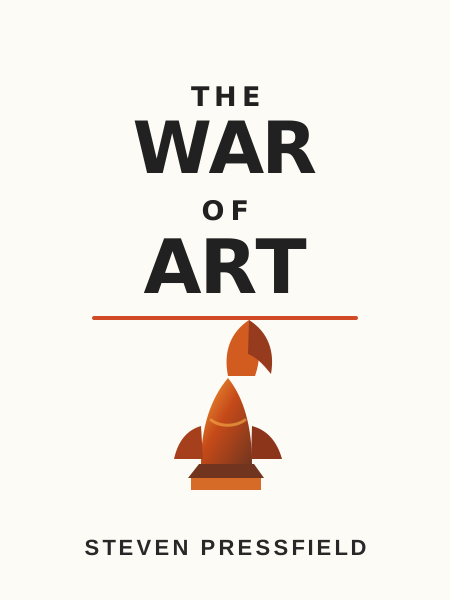
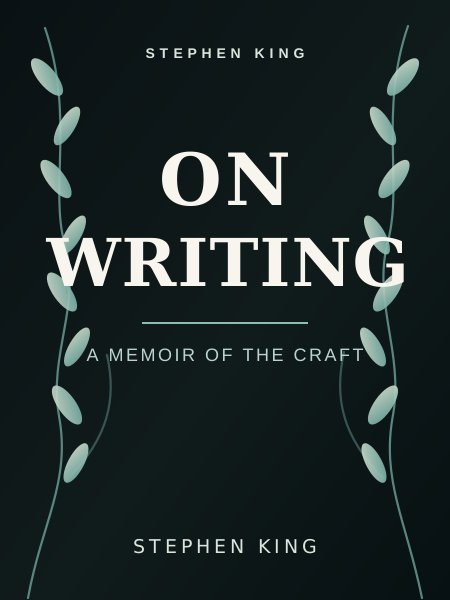
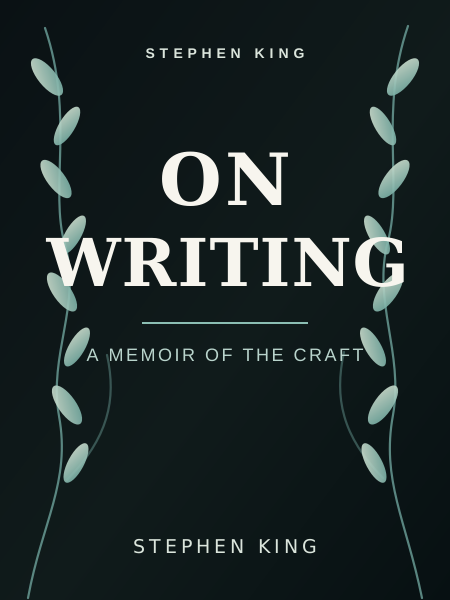
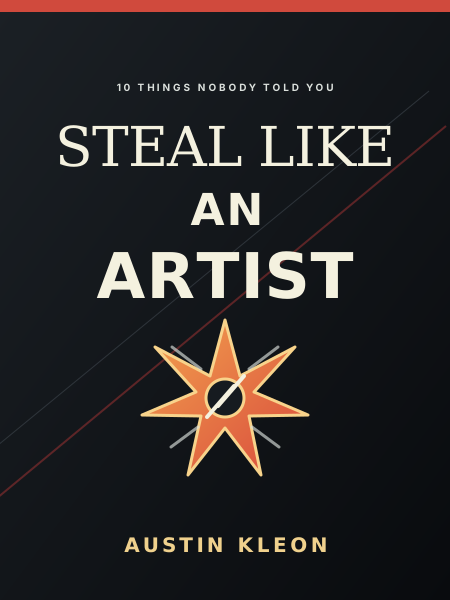
- 6 books Creative work Creativity books split into two camps: permission to start and discipline to finish. This list deliberately includes both, because most creative careers stall on one or the other. View the list →
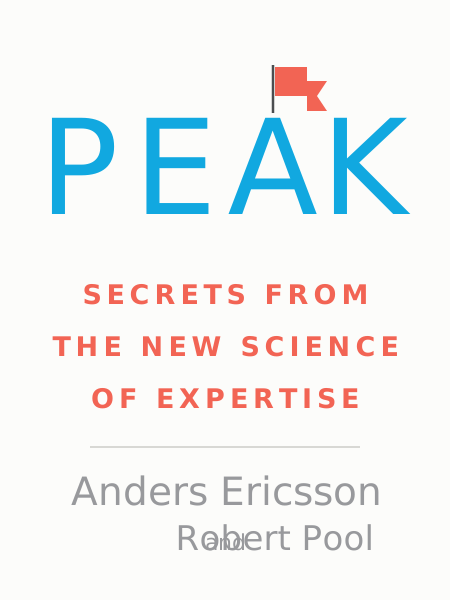
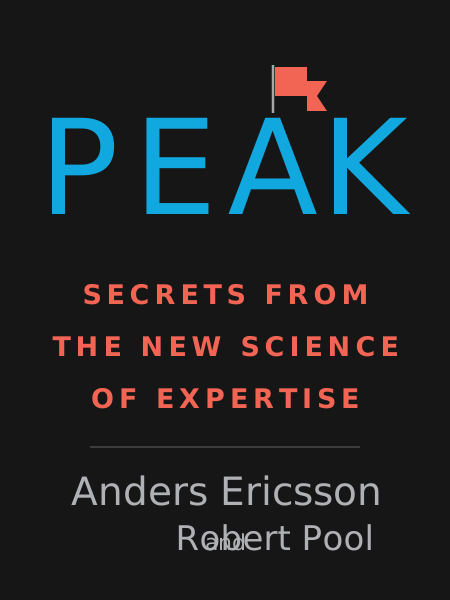
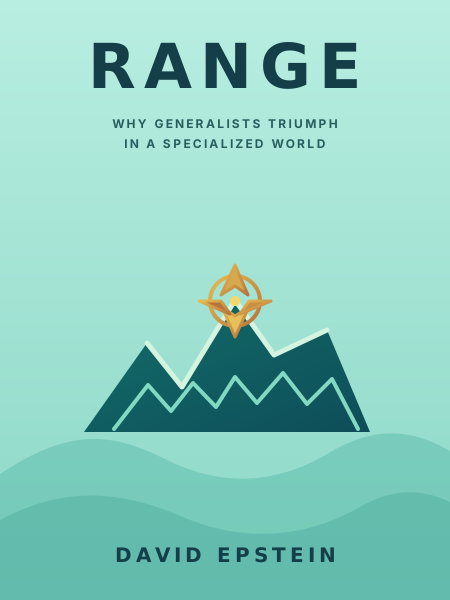
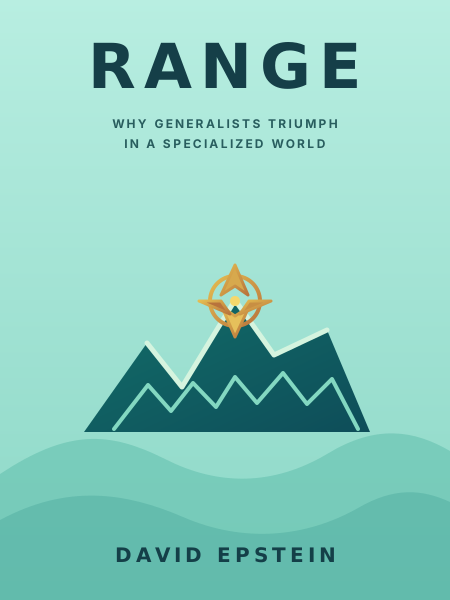
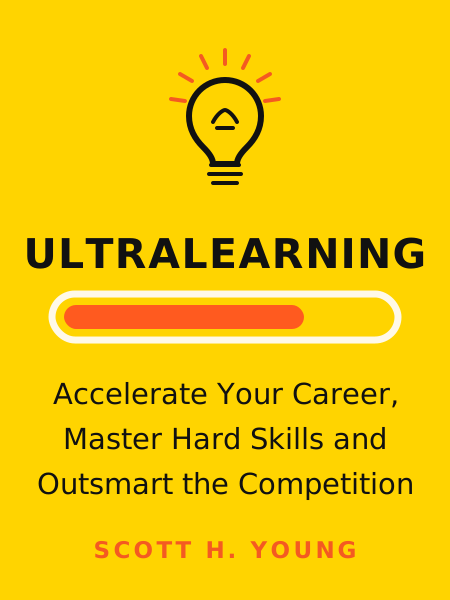
- 6 books Learning faster The talent literature has a replication problem, so this list favors books that survive scrutiny: deliberate practice from the primary researcher, the case for breadth, and self-directed learning methods you can test on your next skill. View the list →