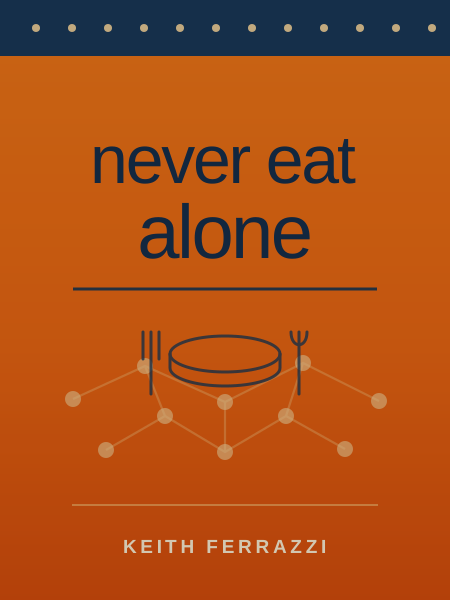
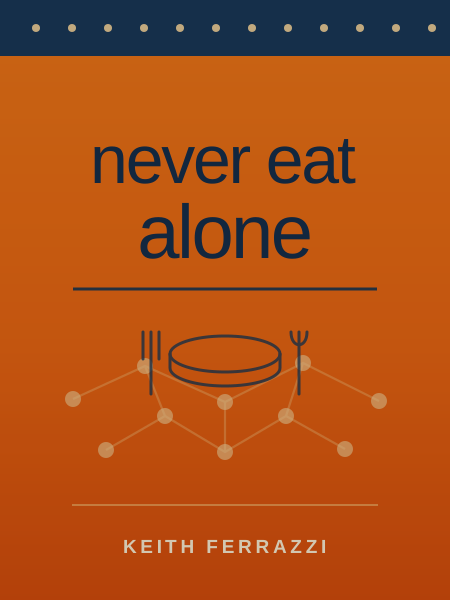
Never Eat Alone
Keith Ferrazzi · 2005
Editorial rating
- Evidence
- 5/10
- Actionability
- 8/10
- Originality
- 6/10
The thesis
Success is not about rugged individualism - it's about the strategic cultivation of relationships. The difference between those who achieve their goals and those who don't is their willingness to reach out to others and build genuine, mutually beneficial connections before they need them.
Who this is for
Ambitious professionals transitioning into leadership roles, consultants building their practice, and anyone who feels awkward at networking events but knows relationships matter for their career advancement.
My favorite quote
The currency of real networking is not greed but generosity.
Why it matters
This inverts the sleazy networking stereotype - you don't collect contacts to exploit them, you build relationships by creating value for others first.
Do this
Identify one person in your network you haven't spoken to in months and send them something useful (an article, introduction, or resource) with no ask attached.
Start here
Build before you need: The most successful networkers reach out to people long before they need anything. Start relationship-building now - not when you're job hunting or desperate for clients. One new meaningful connection per week compounds into a transformative network within two years.
Critical summary
Ferrazzi, a first-generation college student who networked his way from a blue-collar Pennsylvania town to the executive suite, provides a comprehensive playbook for relationship building. His core framework treats networking as a lifestyle, not an event - every meal, every conference, every interaction is an opportunity to deepen human connection.
The book's greatest strength is its rejection of transactional networking. Ferrazzi argues that genuine generosity - helping others succeed without keeping score - creates lasting relationships and eventual reciprocity. His tactical advice on conference networking, follow-up systems, and "pinging" (maintaining distant connections) is immediately applicable.
What it gets right
- Emphasis on vulnerability and authenticity over polished self-promotion
- Specific tactics for working conferences ("conference commando" strategies)
- Recognition that networking is a learnable skill, not an innate talent
What it misses
- Ferrazzi was a natural networker from childhood - his advice may miss crucial steps for genuine introverts
- The energy required for his approach is unsustainable for most people with full-time jobs
- His examples skew heavily toward executives and celebrities, making tactics feel aspirational rather than practical
- Limited acknowledgment that some industries and cultures value networking differently
Evidence is primarily anecdotal - Ferrazzi's personal stories and those of high-profile contacts. The principles align with social psychology research on reciprocity, but the book doesn't cite academic sources.
Key concepts
Relationship Action Plan
Include specific people you need to know in your goal-setting process. Identify the relationships required to achieve each goal.
Don't Keep Score
Asking for favors and providing them without tracking creates stronger bonds than calculated reciprocity. Stop treating relationships like bank accounts.
Pinging
Regular, brief touches with your network (a shared article, quick congratulations) maintain weak ties without demanding deep engagement.
The Blue Flame
The intersection of your passion and practical abilities - communicate this clearly so others can help you achieve it.
Conference Commando
Approach conferences with specific target people, arrange meetings in advance, and follow up within 24 hours.
Vulnerability as Strength
Share your struggles and imperfections - they make you more relatable and deepen trust faster than polished success stories.
Core insights
-
Your network is not your net worth - it's your support system
The people you know determine not just opportunities, but how you'll weather crises, learn new skills, and grow as a person.
-
The best time to network is when you don't need anything
Starting relationships from a position of need poisons them with transactional energy.
-
Follow-up is where most networking dies
90% of people never follow up after meeting someone. A simple email within 24 hours differentiates you immediately.
-
Mentors don't appear - you recruit them
Successful people are asked for help constantly. Be specific about what you need and how they can help.
-
Introductions are the highest-value currency
Connecting two people who can help each other creates goodwill with both parties and costs you nothing.
Implementation steps
Today
- List 5 people you've lost touch with who you'd like to reconnect with
- Send one of them a brief, no-ask message sharing something valuable
This week
- Create a "relationship action plan" for one professional goal - who do you need to know?
- Schedule one lunch or coffee with a colleague you don't know well
This month
- Implement a pinging system (monthly contact with 20-30 people in your network)
- Attend one industry event and follow up with everyone you meet within 24 hours
Ongoing
- Never eat alone - use every meal as a relationship-building opportunity
- Track your network touches and aim for consistent engagement, not sporadic outreach
Suggested 30-day practice plan
An editorial application plan created by Monolithic Vault - an interpretation of the book's ideas, not part of the original book.
- Day 1
Audit your network - list 50 people and when you last contacted each
- Day 2
Identify 10 "dream contacts" you'd like to know in 2 years
- Day 3
Send 3 reconnection messages to dormant relationships
- Day 7
Schedule 2 lunches for the upcoming week with professional contacts
- Day 14
Research your dream contacts - find warm introduction paths
- Day 21
Make one introduction connecting two people in your network
- Day 30
Review your system - which touches led to responses? Adjust approach accordingly
Free PDF summary
Take this analysis with you: a designed two-page field-notes sheet with the thesis, my favorite quote, the key concepts and core insights, and the full 30-day checklist. Print it or keep it - free, no signup.
Go deeper
If this analysis earned your attention, the full book goes further than any summary can. The original is always the primary source.